

Welcome to N0LSR Design LLC
Welcome to Inovato visitors
Inovato.com is now permanently closed. For continued support for Inovato products you been forward to my website.
The Inovato Forum will continue to operate as a source for help with Quadra devices. To go there follow this Link.
The QUADRA Ham Apps installer is now redirected to n0lsr.net and functional. Check back for any updates.
Exiting News - HamClock on Android devices and Amazon Fire devices.
With the next upcoming release of HamClock (V4.32) we will have support for Android tablets, Amazon Fire Tablets and Amazon Fire Stick TV. You will be able to install HamClock for free from the Google Play Store and Amazon App Store onto your device when 4.32 is released. We are waiting for the approval from Amazon to release 4.32. This should happen any day.
⚠️ Urgent Notice: Clear Sky Institute Backend Failure — Action Required
All HamClock Users Must Switch to the New OHB Backend Immediately
The Clear Sky Institute backend server is currently failing, and all subscribers must migrate to the new OHB (Open HamClock Backend) to ensure continued updates, stability, and feature development.
Starting with HamClock V4.24, switching to OHB is simple. Once launched from OHB, HamClock will automatically remember the new backend and permanently configure itself to use OHB for all future updates.
To switch, run: hamclock -b ohb.hamclock.app:80
This command forces HamClock to update from OHB and sets OHB as its new home server.
You can find step by step instructions here.
Users of a Quadra4k or HK1RBOX combined with a 4k monitor please be aware that your device has two executables and both require the backend change. The backend redirect instructions are updated and reflect that now.
New website for information about the community supported Open HamClock Backend server.
Visit the website here and get updates about the project.
If you want information on how to install HamClock on a Raspberry-PI . Read the excellent instructions by Keith - G6NHU, here →
Products…
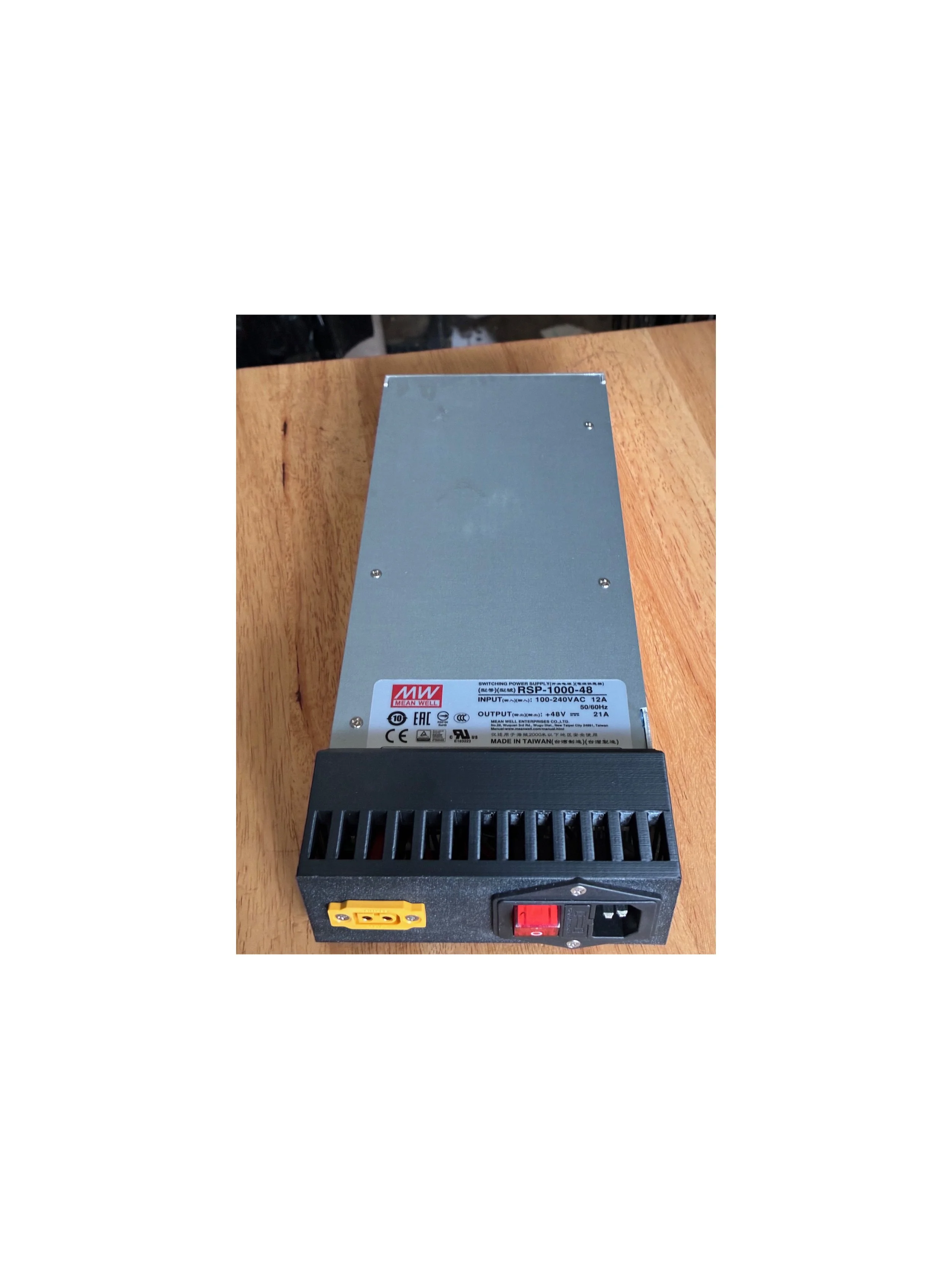
Power Supply for the popular Mercury Lite amplifier. This power supply can operate from 120Vac or 240Vac. Has build in thermostatic controlled fans which suck in air in the back and blow warm air out in the front. This is a 1000VA power supply for continuous operation at full power. It is a safe solution around the recommended Mean Well RSP-1000-48 open frame power supply.
If you already have a Mean Well RSP-1000-48 power supply but want to upgrade it with the protection shell It is available as upgrade kit.
It includes one male XT60 connector to fit on the cable supplied with the Amplifier. You supply your own IEC power cable depending if you want to use it on 120Vac or 240Vac.
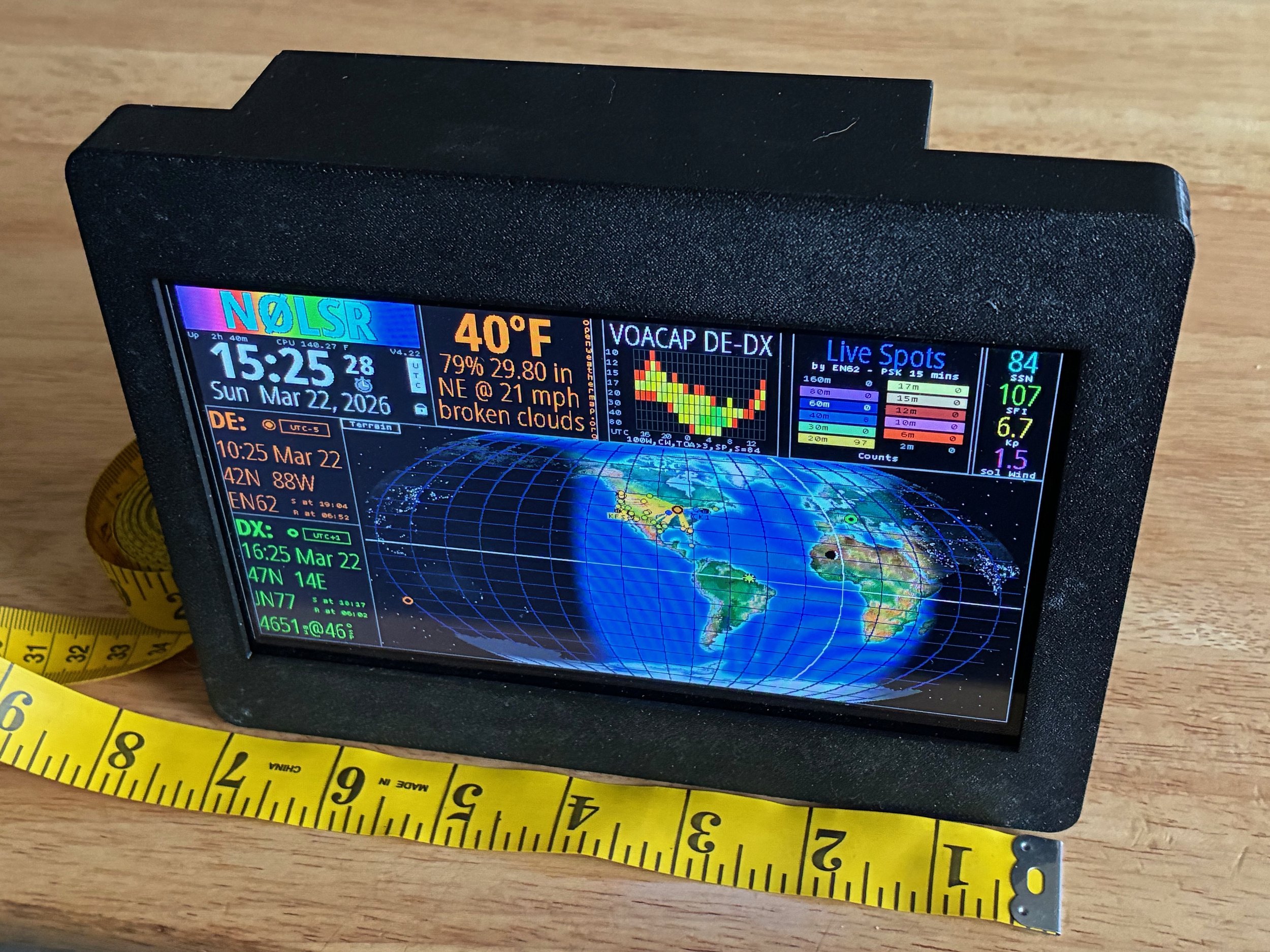
Complete Ham Clock package with 7” IPS touch screen. 800×480 resolution. Integrated Raspberry PI 3B loaded with latest version of HamClock on a 32GB micro SD card ready to go. A stylus and a mini keyboard are included. it has a build in battery for up to 4 hours of operation. The perfect device for the ham shack or portable operation. See with one look where the action is, on what band and where in the world., You can add any other software compatible with the Raspberry Pi.
The build in UPS with two 18650 batteries has a runtime of about 4 hours. It is also available without the batteries for international shipping.
Power input through USB-C. USB-C cable and Power adapter is included.
The perfect POTA, SOTA or Field Day companion.
Please allow 2 to 3 weeks for production to shipping.

A quick connect for stripped wires to connect to PowerPole terminals. For 12AWG to 18AWG.
One pair of PowerPole to quick connect terminals. Available in different versions.

Fan Assembly for the PA-500 amplifier. No modification to the PA500 necessary. Press-fit right over the heat sink. Thermostat controlled ball bearing fans run only if heatsink is above 40◦C (104F). Connects to power supply with 12’ cable and PowerPole connectors. It can easily be removed if not needed. Keeps the PA500 temperature down especially when digital modes are used.
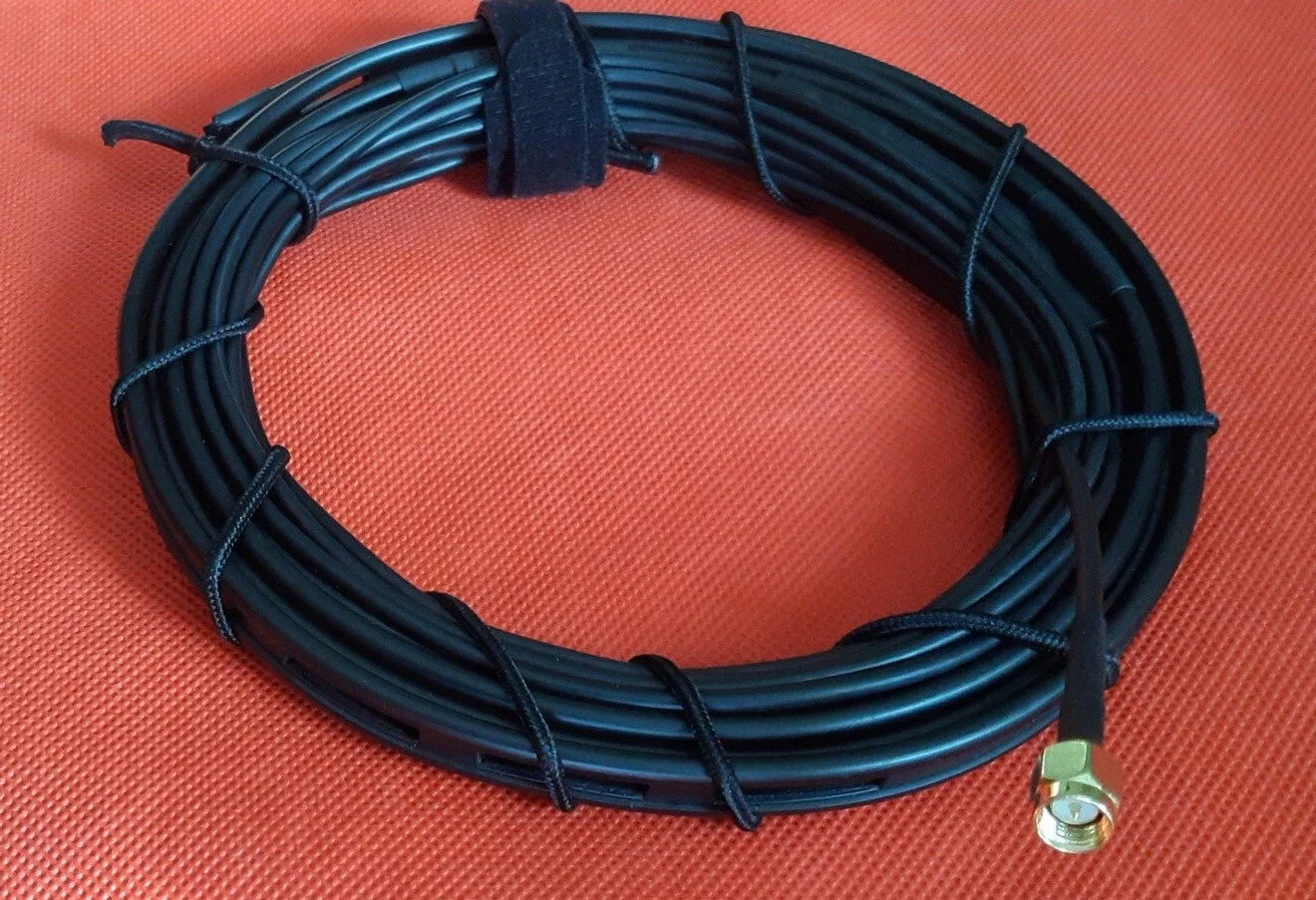
Rollup Slim Jim type antenna for VHF/UHF. Select male SMA connector for ICOM, Yaesu and Kenwood hand held radios or select female SMA connector for Baofeng, TYT or similar radios.. Compact go bag antenna easy to deploy. Hang it on your curtain rod at your window or from a tree branch if used portable. Major signal improvement over the normal rubber duck antenna.

LiFePO4 batteries are a type of rechargeable battery that offer several benefits over traditional lead-acid batteries. The main advantage is that their terminal voltage stays above 12V, 90% of the discharge time. They are more efficient then lead acid batteries. Additionally, LiFePO4 batteries are safer because they are less likely to overheat or explode as other high energy battery types. They have a significantly longer lifespan compared to other batteries. They can easily last 10 years and still have 80% capacity in a normal ham radio application where a battery is used maybe 20 to 30 times a year for a portable setup. They have a lower environmental impact, as they don’t contain any toxic chemicals like lead or acid. They are lightweight and can operate in any position.
This battery is a custom fit battery for the LAB-599 Discovery Transceiver. It has pogo pin connections to interface direct with the radio. Additionally, you will have 2 pair of PowerPole connectors for accessories or the PA-500. The battery is capable to operate the radio and the amplifier for several hours of fun in the field. The run time depends if you use the combo for voice or digital. Average runtime for voice is about 4 to 6 hours or 2 hours for digital. Pair that with a solar panel for extended run times.
The battery uses a 20A BMS. it also comes with a flexible battery cover to protect the pogo pins if not attached to the radio. The cover also fits over the front plate of the radio to protect it in your go-bag.
Nominal Voltage: 12.8Vdc
Max. discharge current: 20A
Max charging voltage: 14.6 Vdc
Max charging current: 10A
Charging time with included charger: <5h
Weight: TBA
Dimensions: fits under the LAB-599 Discovery Radio
The housing color is black/red with a black cover.

Station Power Supply in different variations. Maximum output power is 600W peak for 13.8V. Includes a 6’ IEC power cable and feet. The feet allow multiple units to be stacked securely. The unit is a very quiet switch mode power supply with a peak output of 50Amps and a continuous output of 40Amps. It has UL and CE markings for low noise.
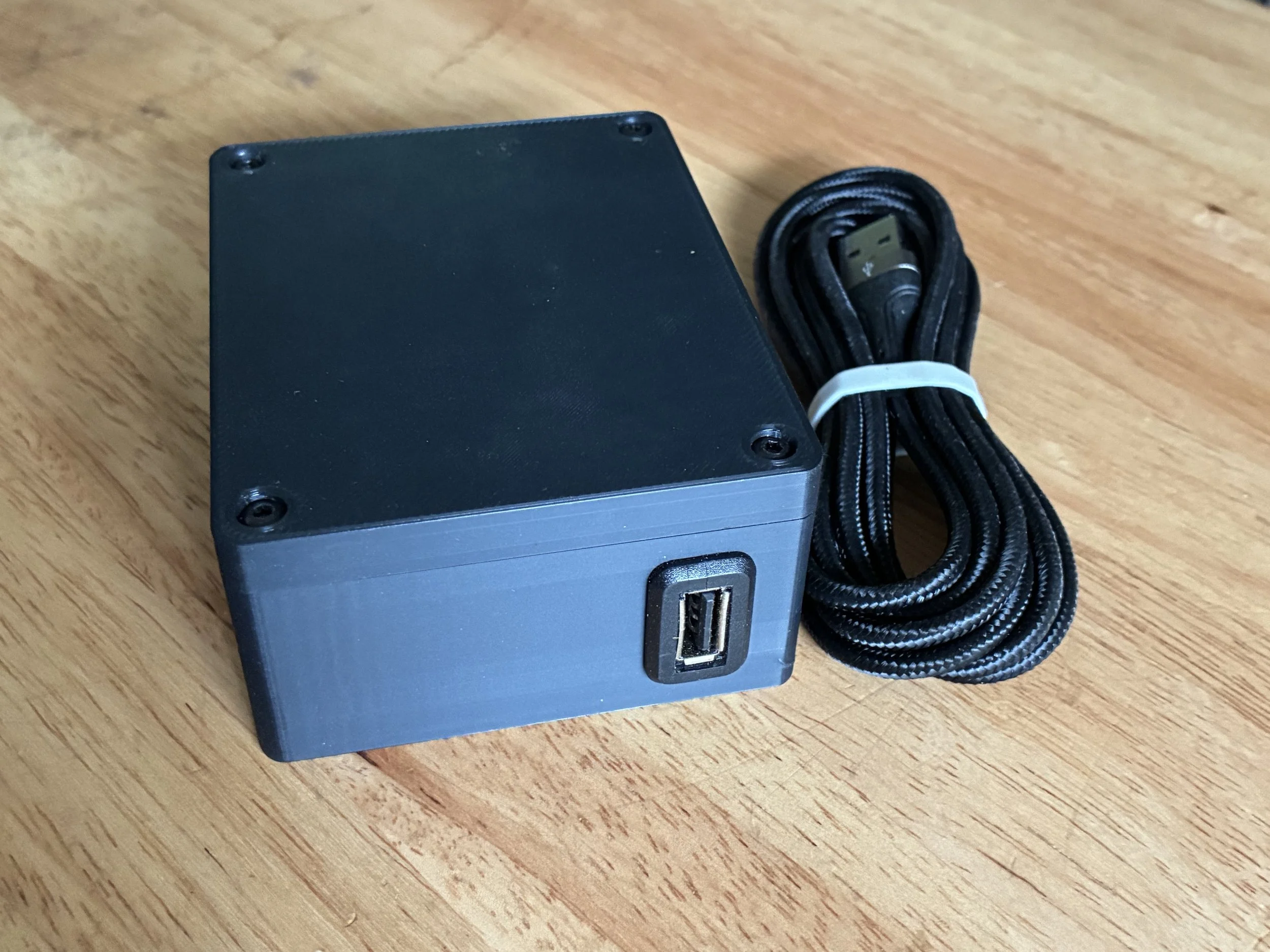
This UPS is slightly larger than the Quadra UPS (3 3/4” X 3” X 1 3/4”) but it is more powerful and uses easy replaceable 18650 batteries. The two batteries are in a holder and can be replaced without soldering. This UPS can also be shipped without batteries for our international customers. Just source 2 flat top 18650 batteries locally.
One model is suitable for all Quadra models, the HK1RbOX and Raspberry Pi 3/4.
The included USB-A to USB-C cable establishes the connection between your current power source and the charging port of the UPS. The cable currently used for powering your device then goes in the USB-A output of the UPS. A datasheet can be downloaded on the downloads page.

LiFePO4 batteries are a type of rechargeable battery that offer several benefits over traditional lead-acid batteries. The main advantage is that their terminal voltage stays above 12V, 90% of the discharge time. They are more efficient as lead acid batteries. Additionally, LiFePO4 batteries are safer because they are less likely to overheat or explode as other high energy battery types. They have a significantly longer lifespan compared to other batteries. They can easily last 10 years and still have 80% capacity in a normal ham radio application where a battery is used maybe 20 to 30 times a year for a portable setup. They have a lower environmental impact, as they don’t contain any toxic chemicals like lead or acid. They are lightweight and can operate in any position.
Max. output current: 12A
Min Discharge Voltage: 10V
Max charge current: 6A
Max charge voltage: 14.6V
Dimensions: 3 ¾” x 6” x 7” w/o handle
Weight: 3lbs 12 oz
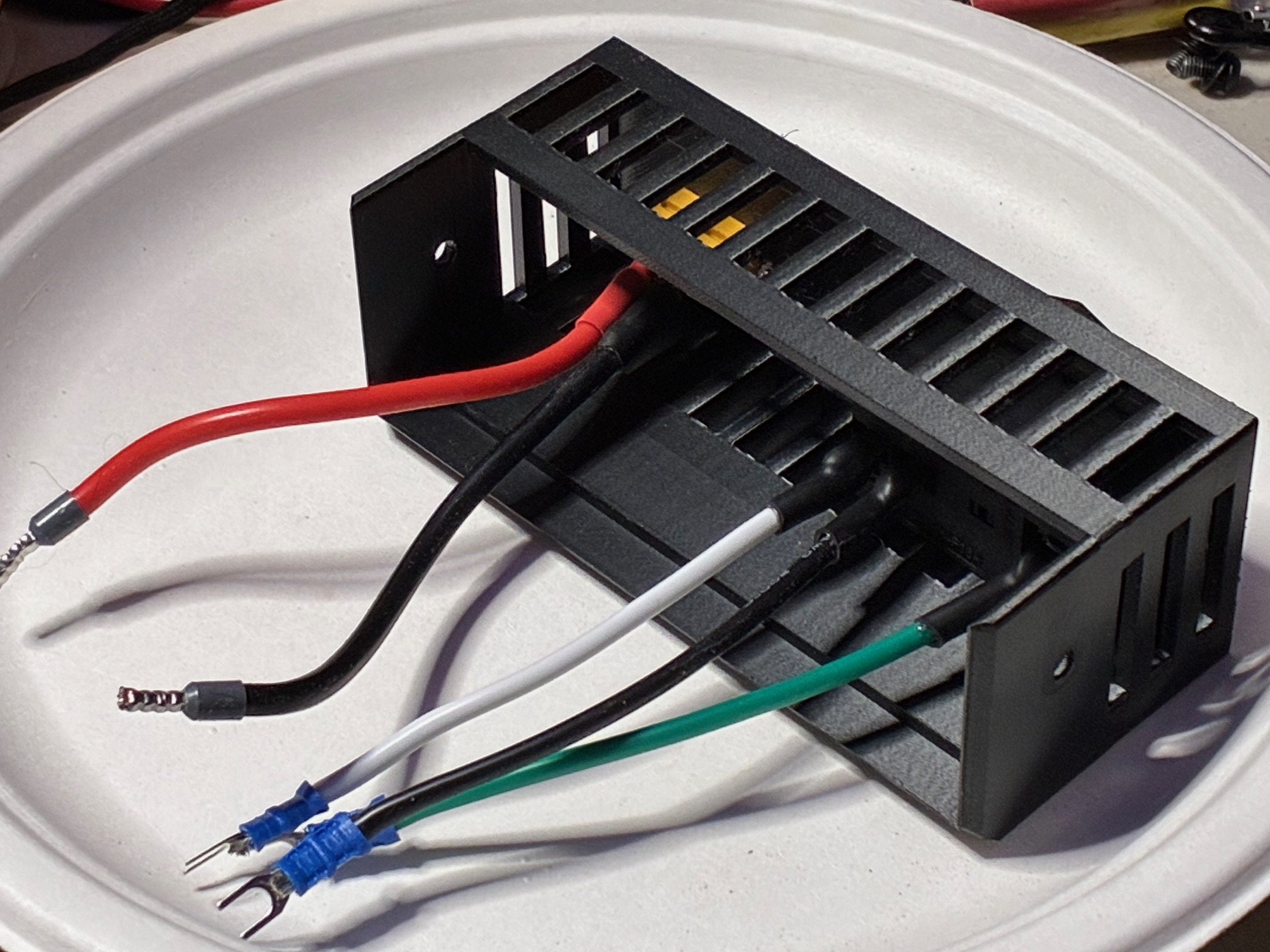
This is an upgrade kit for owners of the RSP-1000-48 power supply but don’t like the exposed connections.
It is preassembled and just require a large Phillips screwdriver to attach it to the power supply.
It includes one male XT60 connector to fit on the cable supplied with the Amplifier. You supply your own IEC power cable depending if you want to use it on 120Vac or 240Vac.
Pair it with this cable https://a.co/d/01HrIYp9 from Amazon.

LiFePO4 batteries are a type of rechargeable battery that offer several benefits over traditional lead-acid batteries. The main advantage is that their terminal voltage stays above 12V, 90% of the discharge time. They are more efficient as lead acid batteries. Additionally, LiFePO4 batteries are safer because they are less likely to overheat or explode as other high energy battery types. They have a significantly longer lifespan compared to other batteries. They can easily last 10 years and still have 80% capacity in a normal ham radio application where a battery is used maybe 20 to 30 times a year for a portable setup. They have a lower environmental impact, as they don’t contain any toxic chemicals like lead or acid. They are lightweight and can operate in any position.
Max. output current: 25A
Min Discharge Voltage: 10V
Max charge current: 20A
Max charge voltage: 14.6V
Dimensions: 5.9” x 4.3” x 8.5” w/o handle
Weight: 5lbs 6oz
Please visit my store and review all the other Ham Radio related accessories I offer.
What is HamClock?
HamClock is a kiosk‑style application created by Elwood Downey (WB0OEW)* that provides continuously updated data essential for HF, VHF, and satellite operators. It’s widely used as a shack display, contesting aid, or propagation monitor. It offers real‑time space‑weather metrics, propagation modeling, DX tracking, and multiple map projections—all in a clean, glanceable interface.
Key Capabilities
Space Weather & Propagation
Real‑time solar flux, sunspot numbers, A/K indices, and geomagnetic conditions
VOACAP‑based MUF, TOA, and point‑to‑point propagation predictions
Mapping & DX Tools
Multiple map projections: Mercator, Azimuthal, Robinson
Gray line visualization for enhanced propagation windows
Short/long‑path beam headings and distance calculations
Satellite & Lunar Tracking
Amateur satellite tracking and pass predictions
Moon position and EME planning tools
Operating & Shack Utilities
DX cluster, RBN, WSPR, POTA, SOTA, and FT8/WSJT‑X spot displays
Rig and rotator control via hamlib or flrig
Big clock, stopwatch, alarms, and station ID timers
Optional environmental monitoring via BME280 sensors
Flexible Deployment
Runs on Raspberry Pi, Linux, macOS, FreeBSD, Windows WSL, and Android
Can also be viewed and controlled through any web browser on the local network
Why Would I need one?
HamClock has become a staple in many shacks because it consolidates the most important real‑time operating data into one attractive, always‑visible dashboard. Whether you're chasing DX, planning contest strategy, monitoring band conditions, or tracking satellites, HamClock provides the situational awareness that operators rely on.
N0LSR Design is not affiliated with any of the ham software listed. HamClock is a product of Elwood Downey, WB0OEW, Clear Sky Institute.
Click on the picture below to access HamClock live at my house
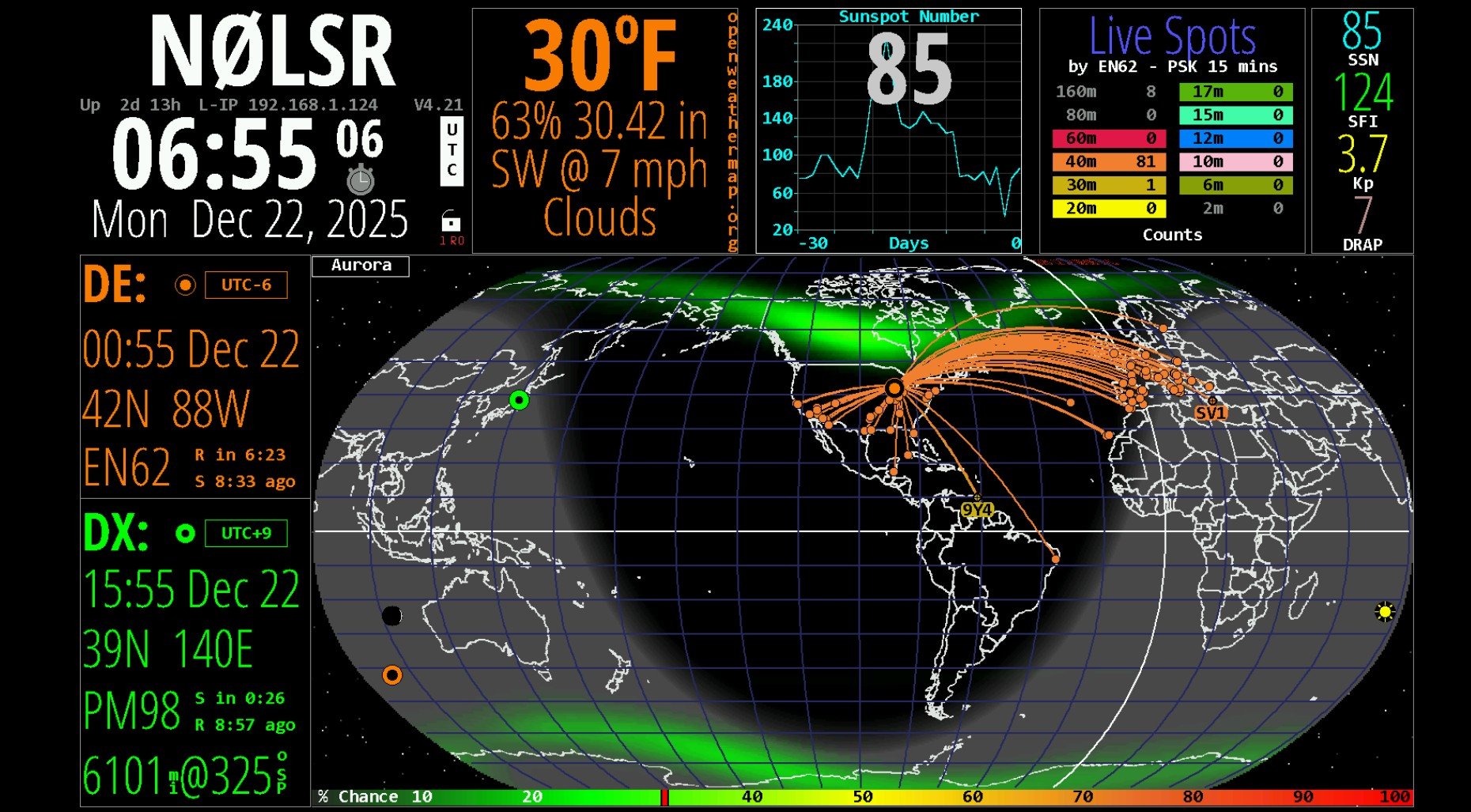
The actual propagation reports on my HamClock come from PSK reporter and are based on reports from EN62bc. The propagational spots are from PSK reporter.